
Stanza 5
—
RESPUESTA DE LAS CRIATURAS:
Mil gracias derramando
pasó por estos sotos con presura,
y, yéndolos mirando,
con sola su figura
vestidos los dejó de hermosura.
—
ANSWER OF THE CREATURES:
A thousand graces diffusing
He passed through the groves in haste,
And merely regarding them
As He passed
Clothed them with His beauty.
Excerpt of Saint John +’s teaching on stanza 5:
In this stanza the creatures answer the soul. Their answer, as St. Augustine also declares in that same place, is the testimony they in themselves give the soul of God’s grandeur and excellence. It is for this testimony that she [the soul] asked in her reflections.
…
St. Paul says: “the Son of God is the splendor of his glory and the image of his substance” [Heb. 1:3]. It should be known that only with this figure, his Son, did God look at all things, that is, he communicated to them their natural being an many natural graces and gifts, and made them complete and perfect, as is said in Genesis: “God looked at all things that he made, and they were good” [Gn. 1:31]. To look and behold that they were very good was to make them very good in the Word, his Son.
Not only by looking at them did he communicate natural being and graces, as we said, but also, with this image of his Son alone, he clothed them in beauty by imparting to them supernatural being. This he did when he took on our human nature and elevated it in the beauty of God, and consequently all creatures, since in human nature he was united with them all. Accordingly, the Son of God proclaimed: “If I be lifted up from the earth, I will elevate all things to myself” [Jn. 12:32].
Personal reflection on stanza 5:
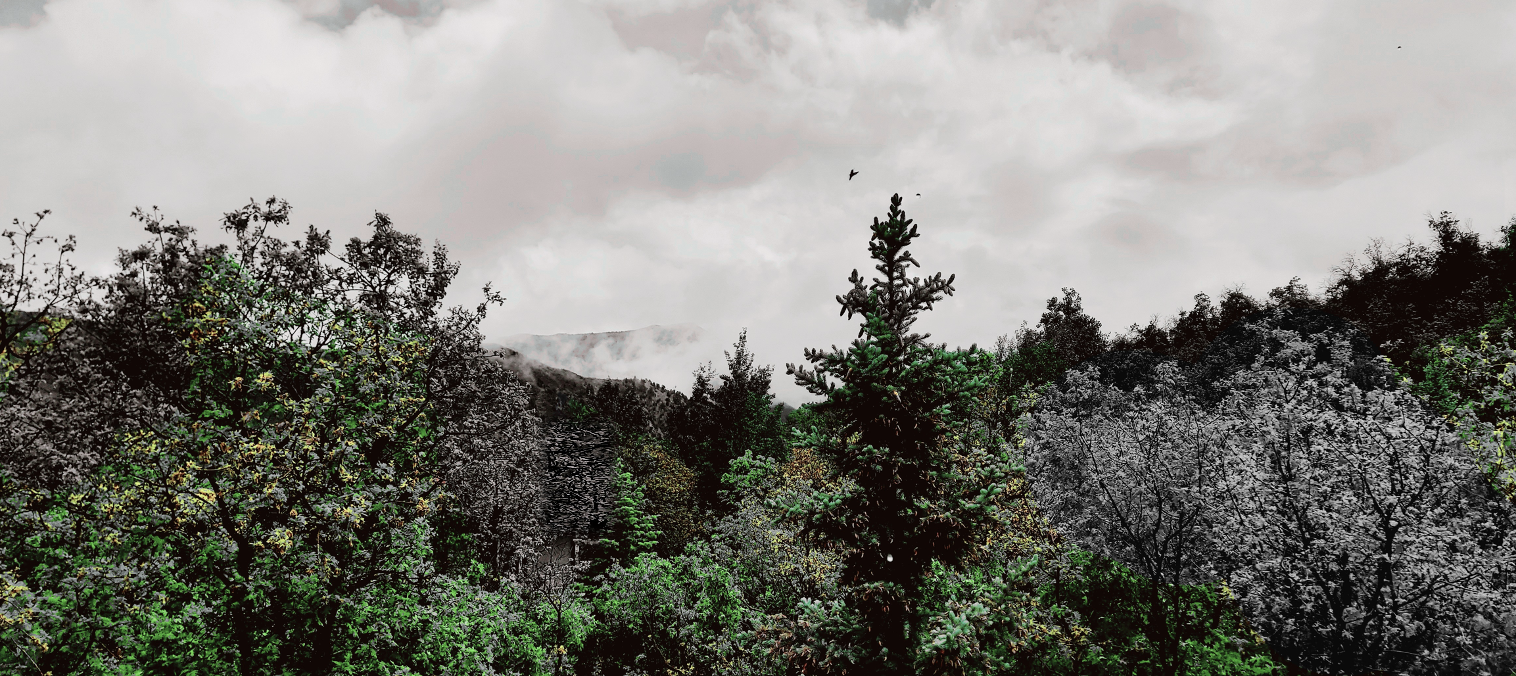
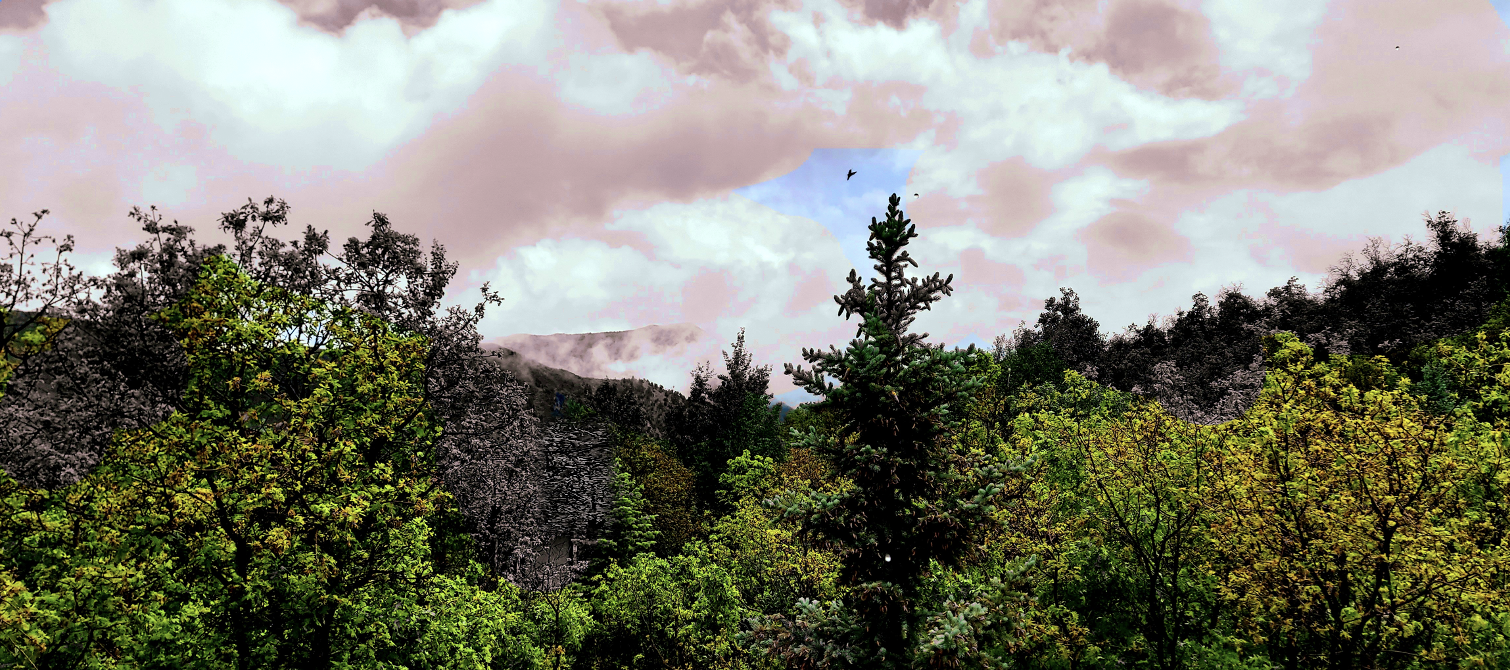
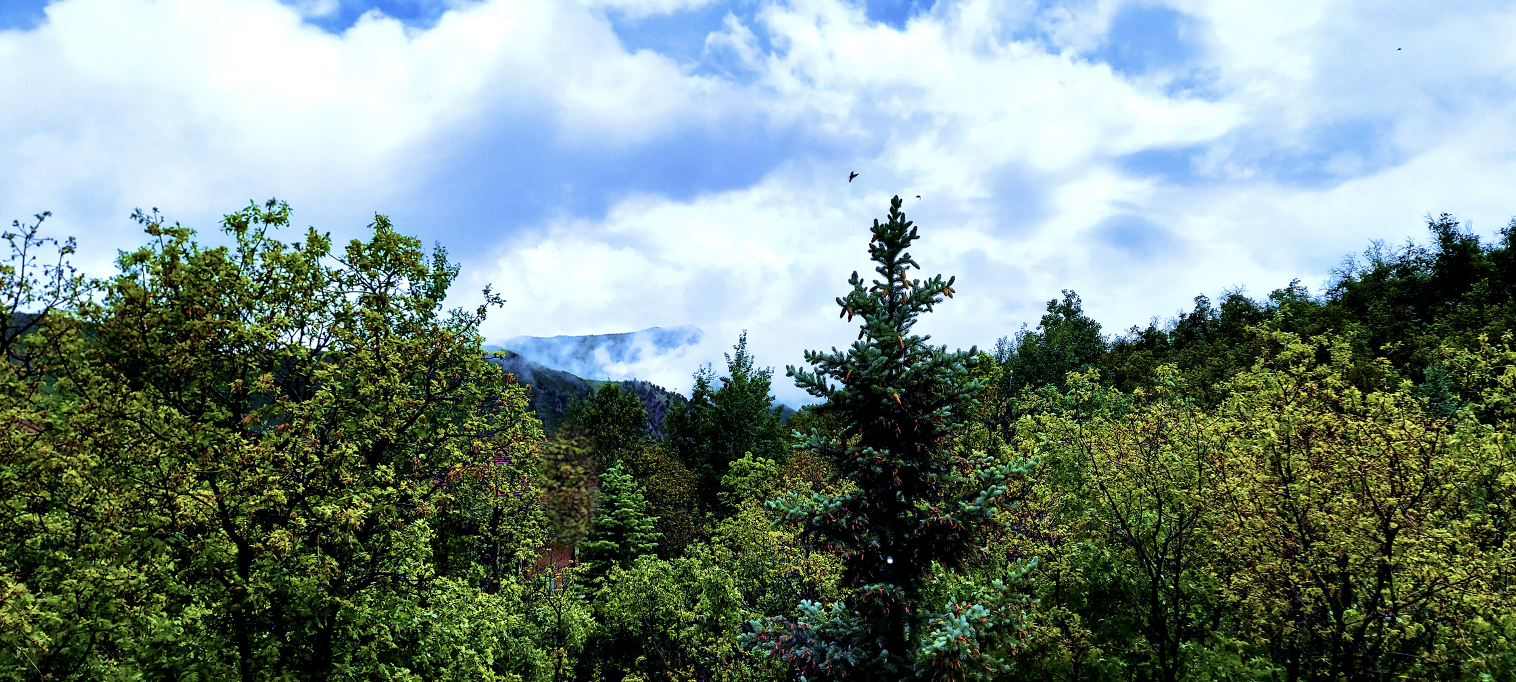
This stanza holds a special place of privilege for me owing to the fact that it guides us to meditate on theology of beauty. In this regard, the stanza smacks of Franciscan charisms which are full of ardent love for the essence of the Creator that is rendered sensible in creation.
These particular charisms related to natural contemplation are rich in sweetly nourishing spiritual substance, as are and the graces which often flow from these charisms. SJ+’s commentary on this stanza invites us into affective mysticism, i.e., a knowing awareness of the presence of God’s Spirit. The noetic qualities of this knowing awareness are communicated to us through faculties of our soul which overflow the bounds of mere reason. This is the glorious mystery of affective revelation. Saint Bonaventure, the Seraphic Doctor and a Franciscan saint, elaborates brilliantly on the theory and practice of affective mysticism in his masterpiece Journey of the Mind Into God, and articulates a theory and practice of “seeing in” and “seeing through”, e.g., seeing God “in” natural creation and seeing God “through” natural creation. A full explanation of the distinctions and instructions for the theory and practice of this form of affective mysticism is beyond the scope of my own commentary here, but I would encourage you to explore Saint Bonaventure’s writings if your soul is resonant with this genre of mystical communion with God through created nature.
Suffice now for me to offer my own speculation that when we aim to see God in and through created nature, I believe it draws us into dynamic gaze with our Beloved wherein He turns his eyes toward us, too; and that in a real way, the gaze of the Beloved in and through our soul is itself an act which infuses His grace and glory into our being, thus incrementally transforming us to bear more wholly the marks of His own beauty.
+ forward to Canticle Journey, Day 6
– back to Canticle Journey, Day 4
~ return to Spiritual Canticle main page